The PP market entered the third quarter of 2026 with stronger momentum than many buyers expected only a few months earlier. Although propane availability has improved compared with the severe shortages experienced earlier in the year, supply conditions remain tighter than historical norms. That has allowed polypropylene prices to ease from previous highs while remaining well above levels seen before the disruption.
For procurement teams, this creates a market that rewards careful timing rather than aggressive speculation. Production costs continue to respond to feedstock availability, while logistics, freight rates and regional demand all influence the final transaction price. Buyers who understand these interconnected factors can secure more stable supply without relying on uncertain market movements.
How China's PDH Sector Influences the PP Market
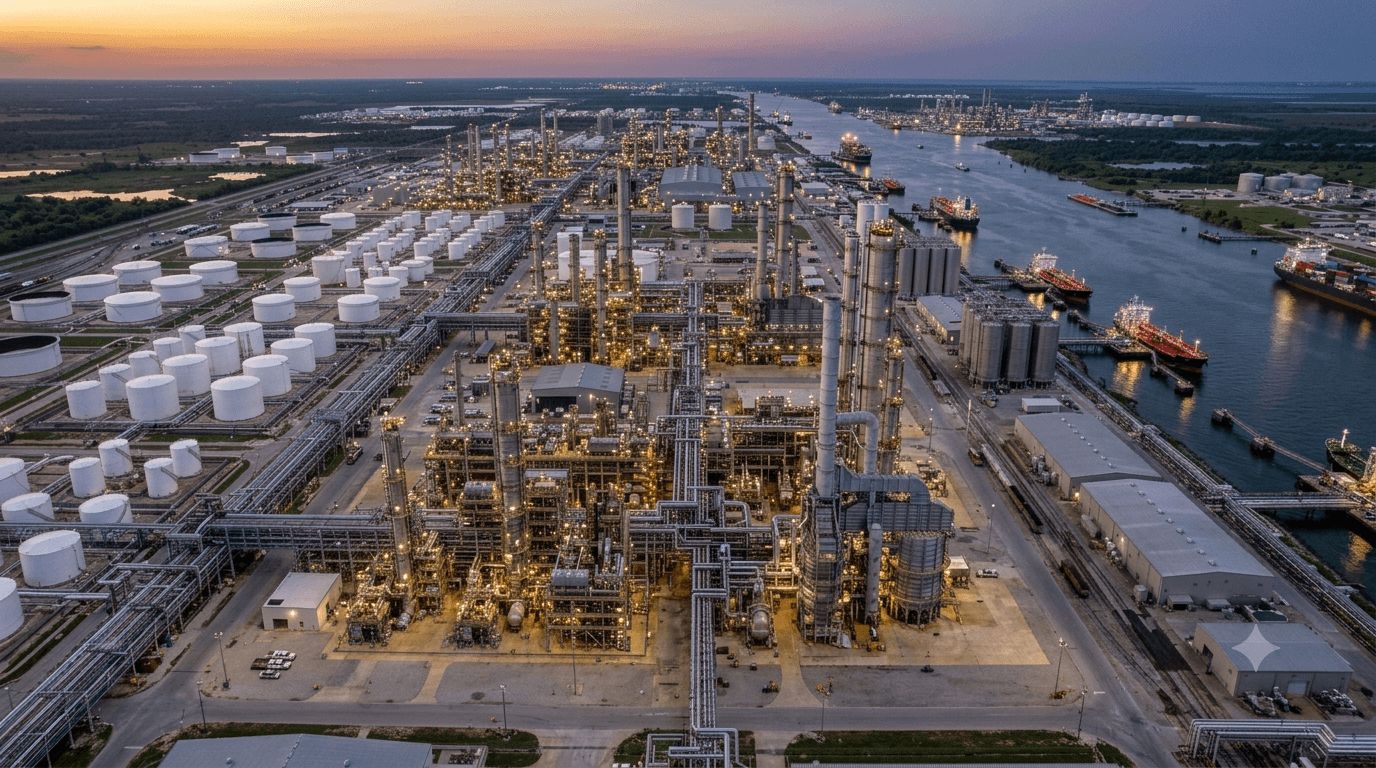
Polypropylene production relies heavily on propylene, and one of the fastest-growing sources of propylene in China comes from propane dehydrogenation, commonly known as PDH. These plants convert imported propane into propylene before it moves further downstream into polypropylene production.
When propane becomes scarce, PDH operators face immediate cost pressure. Some facilities reduce operating rates while others temporarily suspend production if margins become uneconomical. Lower propylene output eventually limits polypropylene availability across domestic and export markets.
As propane supply gradually improves, PDH plants typically restart production in stages rather than returning to full capacity immediately. Operators often monitor feedstock costs, inventory levels and expected polymer demand before increasing utilisation.
This gradual recovery explains why polypropylene prices may remain supported even after feedstock supply begins to improve.
Why Gulf LPG Supply Still Matters
The Gulf remains one of the world's most important suppliers of liquefied petroleum gas, making it a critical source of propane for Asian petrochemical producers.
Any disruption affecting export volumes, shipping schedules or logistics quickly reaches downstream polymer markets. Even modest interruptions can influence feedstock costs because many Asian PDH facilities depend on imported propane rather than domestic production.
Several market factors continue to shape propane availability during Q3:
Export volumes have started to recover, but market participants continue to monitor whether the improvement proves sustainable over the coming months.
Shipping schedules remain an important variable because delayed cargoes can tighten regional inventories even when overall production remains healthy.
Freight costs continue to influence delivered propane prices, particularly for buyers relying on long-distance imports.
Inventory rebuilding across Asia may temporarily increase purchasing activity as companies replenish stocks after earlier supply constraints.
These conditions suggest that feedstock availability has improved without fully removing supply risk from the polypropylene value chain.
Polypropylene Pricing Reflects Partial Recovery
Polypropylene pricing often reacts more slowly than feedstock markets because resin producers balance several commercial considerations simultaneously.
Raw material costs certainly matter, but they represent only one part of the pricing equation. Operating rates, inventory positions, downstream manufacturing demand and import competition also influence final resin prices.
During the current market phase, buyers are observing several notable characteristics:
Prices remain below the exceptional highs reached during the earlier supply disruption.
Resin values continue to trade above many levels recorded during the second half of 2025.
Regional price differences have narrowed as producers gradually restore production.
Buyers remain cautious about building excessive inventory until supply conditions become more predictable.
Rather than experiencing a sharp correction, the market appears to be transitioning through a controlled adjustment period. This environment typically creates narrower negotiation ranges between suppliers and buyers.
Procurement Challenges for Asian Buyers
Procurement teams face a more complicated purchasing environment than a simple rising or falling market.
Waiting too long for additional price declines may expose buyers to renewed supply pressure if feedstock availability tightens again. Purchasing too aggressively, however, could increase inventory carrying costs if production continues to recover faster than expected.
Successful procurement strategies increasingly depend on balancing several commercial objectives:
Maintaining production continuity without holding unnecessary inventory.
Diversifying suppliers across multiple regions where practical.
Monitoring feedstock developments alongside finished polymer prices rather than treating them as separate markets.
Building flexibility into purchase schedules whenever contract structures allow.
Experienced procurement managers increasingly focus on managing risk instead of attempting to predict exact market bottoms or peaks.
Global Trade Flows Continue to Shape Regional Availability
Polypropylene trade extends well beyond production volumes. The movement of resin between producing and consuming regions often determines how quickly markets respond to changes in supply or demand.
Asia remains the largest consumption hub, while producers across the Middle East, China and Southeast Asia compete to supply converters, packaging manufacturers and industrial processors. Any disruption affecting shipping schedules, freight availability or export policies can alter purchasing patterns across the region.
Importers have become more selective in recent months. Rather than securing large spot volumes, many buyers prefer staggered purchases that align more closely with production schedules. This approach reduces inventory risk while preserving flexibility if market conditions change.
Export-oriented producers, meanwhile, continue to monitor regional demand before committing additional cargoes to international markets. This cautious approach contributes to relatively balanced trade flows despite ongoing uncertainty surrounding feedstock availability.
Demand from Downstream Industries Remains Resilient
Despite fluctuations in feedstock costs, polypropylene demand continues across a broad range of industries. While some sectors adjust purchasing volumes according to economic conditions, others maintain relatively stable consumption throughout the year.
Key industries supporting polypropylene demand include:
Packaging manufacturers, who rely on polypropylene for rigid containers, food packaging and consumer goods because of its durability and cost efficiency.
Automotive suppliers, who use lightweight polypropylene components to improve fuel efficiency and reduce vehicle weight.
Consumer goods manufacturers, who incorporate polypropylene into household products, storage containers and furniture.
Healthcare and medical packaging companies, where polypropylene offers excellent chemical resistance and consistent processing performance.
Industrial product manufacturers, who depend on polypropylene for pipes, fittings, textiles and numerous engineered applications.
The diversity of these end-use sectors helps stabilise overall demand even when individual industries experience temporary slowdowns.

Supply Chain Risks Procurement Teams Should Monitor
Although feedstock availability has shown signs of improvement, procurement professionals should continue monitoring several risk factors that may influence polypropylene pricing during the remainder of Q3.
Feedstock volatility remains one of the most significant concerns. Propane availability directly affects PDH operating economics, making any change in supply conditions an important indicator for downstream resin markets.
Freight and logistics costs also deserve close attention. Ocean freight rates, container availability and port congestion can significantly influence landed resin costs even when production remains stable.
Additional risks include:
Unexpected maintenance at major petrochemical complexes.
Changes in regional operating rates.
Seasonal fluctuations in manufacturing demand.
Currency movements affecting international trade.
Inventory adjustments by major producers and distributors.
Rather than reacting to individual headlines, procurement teams benefit from evaluating these factors collectively before making purchasing decisions.
Sustainability Continues to Influence the Polypropylene Market
Environmental expectations continue to reshape investment across the polypropylene value chain.
Producers are expanding recycling capabilities, improving manufacturing efficiency and exploring lower-carbon production technologies. Although virgin polypropylene remains essential for many industrial applications, demand for recycled content continues to increase in packaging and consumer products.
Many buyers now include sustainability criteria alongside traditional purchasing considerations such as price, quality and delivery reliability.
Common procurement priorities increasingly include:
Suppliers with transparent environmental reporting.
Consistent product quality across multiple production batches.
Reliable compliance documentation.
Responsible manufacturing practices.
Long-term supply stability.
These factors have become important differentiators, particularly for multinational manufacturers operating under corporate sustainability commitments.
Procurement Strategy for Q3 2026
Current market conditions suggest that buyers should focus on disciplined procurement rather than attempting to predict short-term price movements.
A balanced purchasing strategy can help reduce exposure to both supply disruptions and unexpected price corrections. Flexible sourcing plans often provide greater value than concentrating purchases within a single buying window.
Procurement teams may consider the following practices:
Secure critical production requirements early while maintaining flexibility for additional spot purchases.
Monitor propane market developments alongside polypropylene pricing instead of evaluating resin prices independently.
Maintain communication with multiple qualified suppliers to improve supply resilience.
Review inventory targets regularly as market conditions evolve.
Incorporate logistics planning into purchasing decisions, particularly for imported cargoes.
The objective should be supply security, not simply achieving the lowest possible purchase price.
The Bottom Line for Procurement Teams
The Q3 2026 polypropylene market reflects a gradual transition rather than a complete recovery. Improving propane availability supports higher PDH operating rates, yet the market continues to respond cautiously as participants assess the pace of supply normalisation.
For buyers, this creates an environment where informed procurement decisions matter more than attempting to forecast every market movement. Companies that monitor feedstock trends, diversify supplier relationships and maintain disciplined inventory management will be better positioned to navigate changing market conditions.
While further improvements in LPG availability could ease cost pressure over time, the timing and extent of any broader market correction remain uncertain. Procurement teams should therefore prioritise business continuity while remaining prepared to respond as market fundamentals evolve.
Ready to source Polypropylene (PP) from verified global suppliers? Explore competitive offers on our platform today.
Polyethylene Terephthalate (PET) CAS: 25038-59-9