
Related Insights

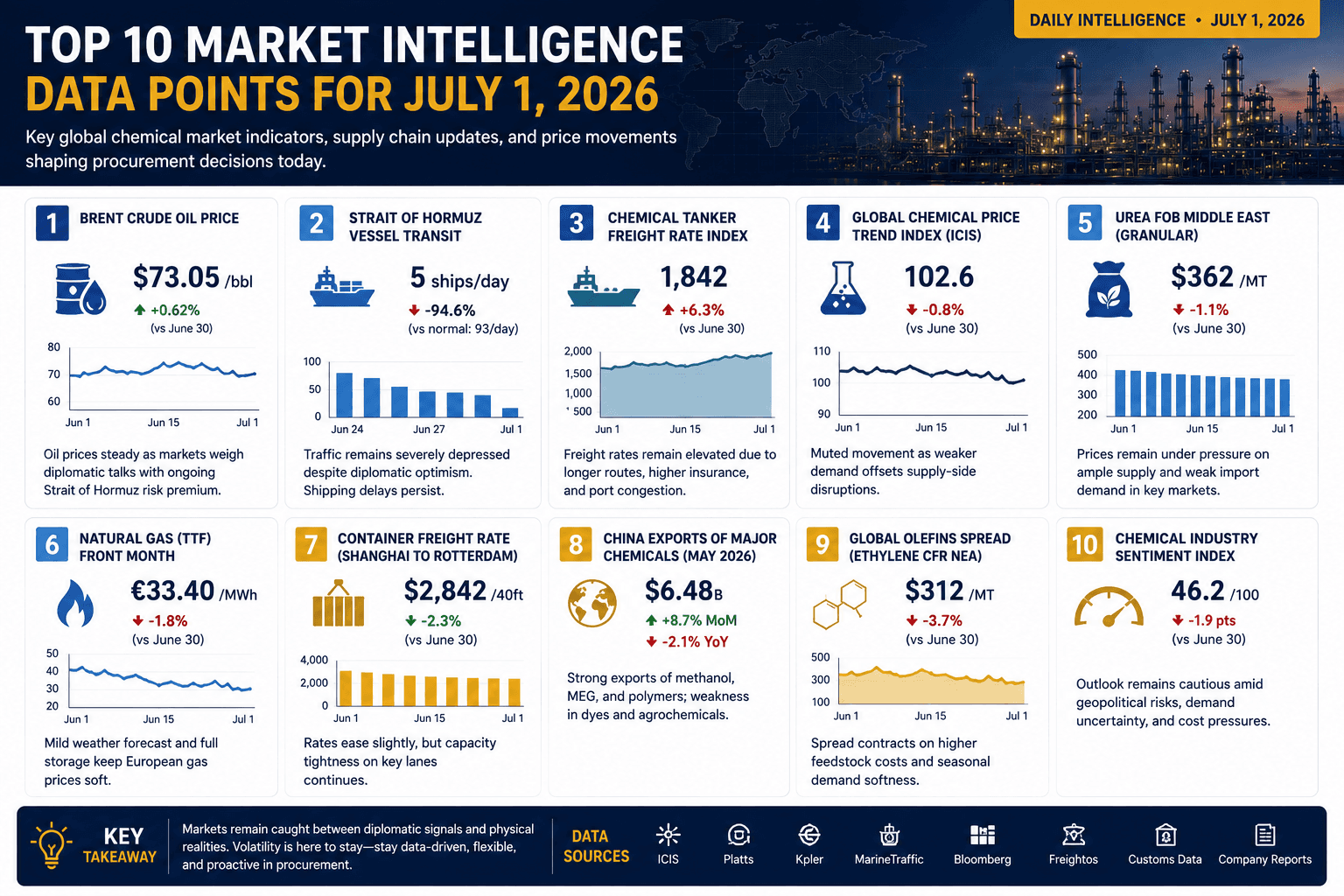
EIA's Outdated July Forecast: Why Chemical Companies Should Avoid Single-Scenario Planning
The EIA's July outlook was built around assumptions that changed within weeks after the ceasefire collapsed. Chemical procurement and compliance teams should adopt scenario-based planning to strengthen supply chain resilience in an increasingly unpredictable market.

Dark Fleet Tactics Complicate Insurance Underwriting Across Gulf Shipping
The rise of covert dark fleet operations is reshaping risk assessment for Gulf shipping. Marine insurers face new challenges in pricing tanker and chemical cargoes amid sanctions and security threats. Learn how regulators and logistics firms adapt.
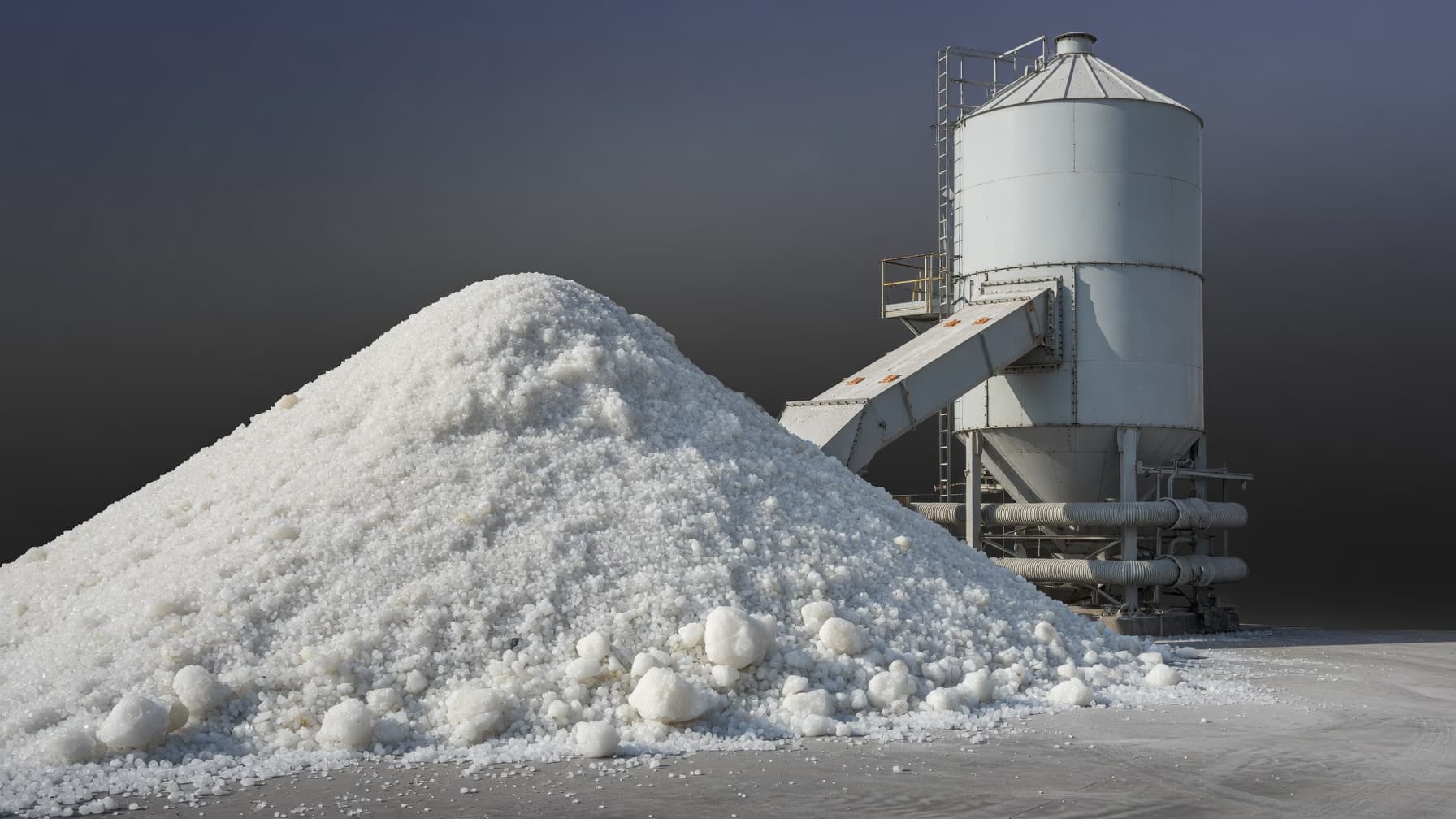
Solvay and Searles Valley Cut Soda Ash Capacity: What a Two-Continent Production Retreat Means for Buyers
Capacity reductions by Solvay in Europe and Searles Valley Minerals in California highlight structural changes in the global soda ash market. Procurement teams should understand how supply rationalization could influence pricing, investment and long-term sourcing strategies.

Rupee Depreciation Reshapes Indian Chemical Export Logistics Economics
When the rupee weakens, Indian chemical exporters face higher freight costs, altered procurement choices, and shifting trade dynamics. This article explores how currency swings influence logistics, competitiveness, and international shipping strategies, offering insight into adapting to a volatile economic landscape.

Geopolitical Intelligence: Shielding Chemical Buyers from Market Volatility
In campanha for chemical procurement, real‑time geopolitical intelligence outpaces traditional weekly updates, protecting margins against volatile energy policies. By tracking policy shifts instantly, buyers secure stable pricing and smarter purchasing decisions. This article explains why legacy reports fail in today’s fast‑moving supply chain.
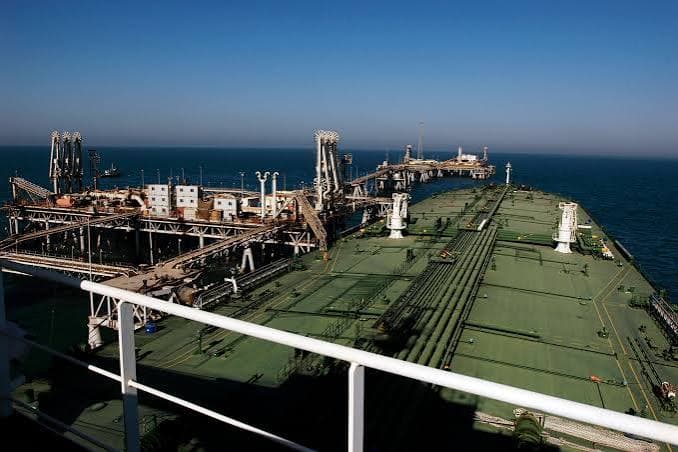
Iran’s “Service Fees”: What Toll-Based Passage Would Cost the Chemical Industry Annually
Iran’s proposal to charge “service fees” for Hormuz passage could permanently reshape the economics of global chemical trade. If transit charges become permanent, Gulf-origin chemical supply chains may face $500 million to $1.5 billion in additional annual costs that buyers will ultimately absorb through higher contract pricing.
Don't miss out on our updates! Subscribe to our newsletter now
We're committed to your privacy. Tradeasia uses the information you provide to us to contact you about our relevant content, products, and services. For more information, check out our privacy policy.