
Related Insights
DAP Prices Signal Tight Phosphate Trade
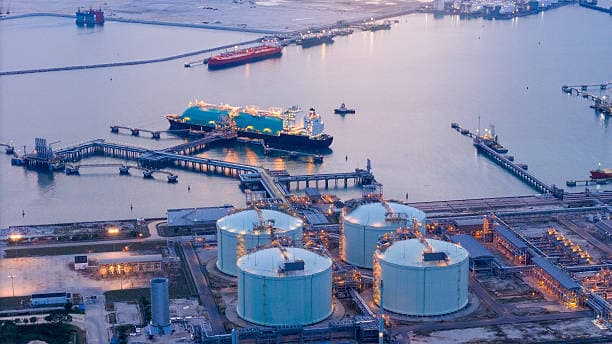
The recent persistence of DAP price strength underscores a tightening phosphate supply chain, heightened global fertilizer demand, and growing procurement risks for agriculture stakeholders. As phosphate trade remains constrained, buyers must reassess sourcing strategies amid volatile market conditions.

Force Majeure Declarations Loom: What Chemical Procurement Teams Should Know About Contract Risk
Prolonged geopolitical disruption is increasing the likelihood of force majeure declarations across energy and chemical supply chains. Procurement and legal teams should review contracts, supplier obligations and contingency plans before disruptions escalate.
8.5 Million Barrels Still Crossed Hormuz on Sunday: Reading the Traffic That Remains
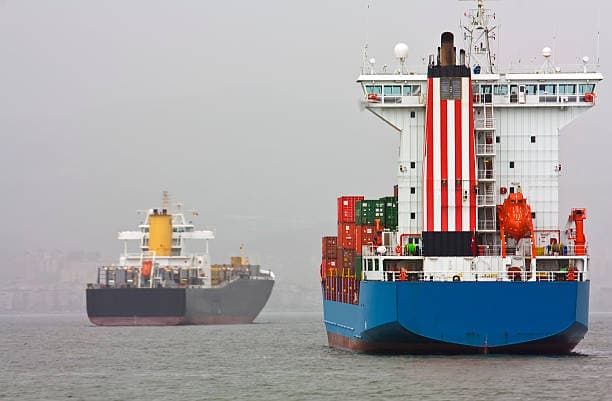
On Sunday, the Strait of Hormuz remained a bustling artery, with 8.5 million barrels of oil passing through. This steady flow offers insights into maritime capacity, energy logistics, and the resilience of chemical supply chains. The data reveals how global trade adapts to geopolitical tensions and shifting market demands.
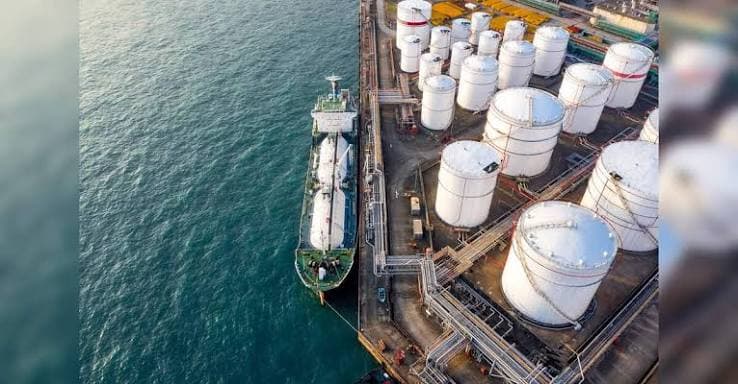
The 1,550-Vessel Backlog and the Convoy Exit Queue: How Long Will It Take to Clear?
Although vessel movements through the Strait of Hormuz are increasing, the shipping backlog accumulated during the crisis remains substantial. Understanding convoy throughput and queue management provides buyers with a more realistic timeline for delayed chemical cargo arrivals during H2 2026.
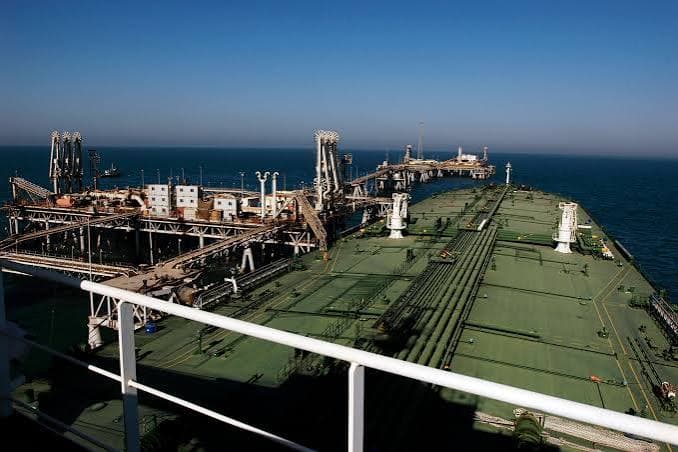
Iran’s “Service Fees”: What Toll-Based Passage Would Cost the Chemical Industry Annually
Iran’s proposal to charge “service fees” for Hormuz passage could permanently reshape the economics of global chemical trade. If transit charges become permanent, Gulf-origin chemical supply chains may face $500 million to $1.5 billion in additional annual costs that buyers will ultimately absorb through higher contract pricing.

Specialty Chemical M&A: Celanese and Eastman H2 2026 Asset Sale Watch
Portfolio restructuring among major specialty chemical companies is creating new procurement considerations for buyers. As asset sales continue across the industry, companies should review supply agreements and strengthen supplier continuity planning for H2 2026.
Don't miss out on our updates! Subscribe to our newsletter now
We're committed to your privacy. Tradeasia uses the information you provide to us to contact you about our relevant content, products, and services. For more information, check out our privacy policy.