Introduction
The global demand for low‑calorie sweeteners continues to rise, with sucralose positioned at the forefront of the market. In the second half of 2026, the supply chain landscape is being reshaped by China’s sustained production capacity and a noticeable decline in freight costs. These dynamics create a fertile environment for procurement professionals to revisit contract terms, secure competitive pricing, and ensure supply security for food manufacturers worldwide.
China’s Production Stability
China accounts for roughly 60% of global sucralose output, thanks to a network of vertically integrated facilities that streamline raw‑material sourcing, synthesis, and quality control. The country’s regulatory framework has also tightened, ensuring consistent compliance with international food safety standards such as the FDA’s GRAS designation. As a result, buyers can rely on a predictable lead time of 6 to 8 weeks for new orders, even amid seasonal fluctuations.
Freight Cost Trends
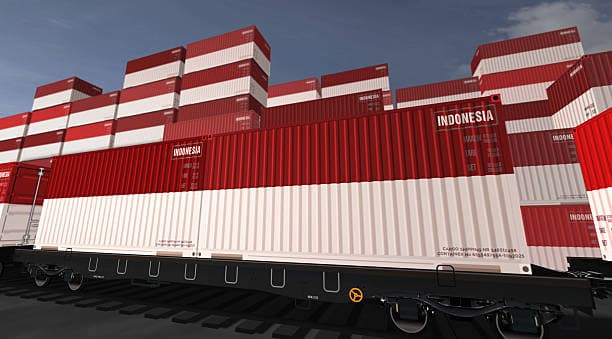
Freight rates for bulk chemical shipments have rebounded from the pandemic‑era peaks, dropping by an estimated 12% year‑on‑year in the first quarter of 2026. This reduction is largely attributable to the resurgence of global shipping lanes and the adoption of more efficient container‑handling technologies at major Chinese ports. Lower freight costs translate directly into savings on the landed price of sucralose, a critical factor for companies that operate on razor‑thin margins.
Contract Negotiation Strategies
With a clearer view of cost drivers, procurement teams can adopt a multi‑tiered negotiation framework:
Volume‑Based Pricing: Secure a base price for the first 80% of the contract volume, with incremental discounts for orders above that threshold.
Fixed‑Price Clauses: Cap the price for the duration of the contract, protecting against future market volatility.
Freight Pass‑Through: Incorporate a clause that passes any freight rate changes to the buyer, ensuring consistent cost predictability.
Quality Performance Metrics: Link payment schedules to on‑time delivery and product purity levels to mitigate supply disruptions.
Procurement Strategy for Food Sweeteners
Beyond price, companies must consider the strategic alignment of their sucralose sourcing with broader supply chain resilience goals:
Supplier Diversification: While China remains the primary source, maintaining secondary suppliers in Vietnam or Malaysia can hedge against geopolitical risks.
Long‑Term Partnerships: Engage in multi‑year agreements that grant priority access during periods of high demand.
Inventory Management: Adopt a just‑in‑time inventory model coupled with safety stock buffers of 4 weeks.
Data‑Driven Forecasting: Leverage AI analytics to predict demand spikes and adjust procurement volumes accordingly.
Impact on the Food Sweetener Market
These supply chain dynamics are influencing the overall competitive landscape. Brands that secure stable, cost‑effective sucralose contracts can invest more heavily in product innovation and marketing, thereby capturing greater market share in the low‑sugar segment. Moreover, a reliable supply chain reduces the risk of product recalls, enhancing consumer trust.
Conclusion
By understanding China’s production advantages and the evolving freight cost environment, procurement professionals can shape smarter H2 2026 contracts. A balanced approach that blends volume discounts, fixed pricing, and performance‑based clauses will not only secure favorable pricing but also reinforce supply chain resilience for the next decade.
Sucralose (E955) CAS: 56038-13-2