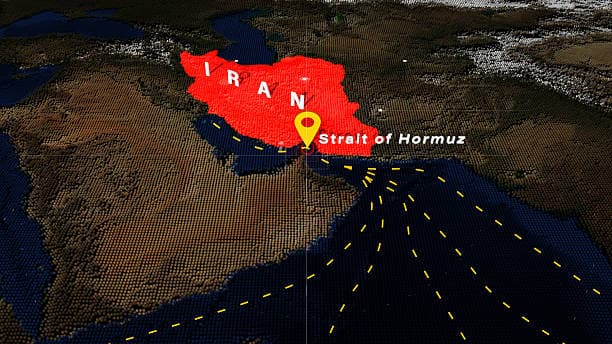
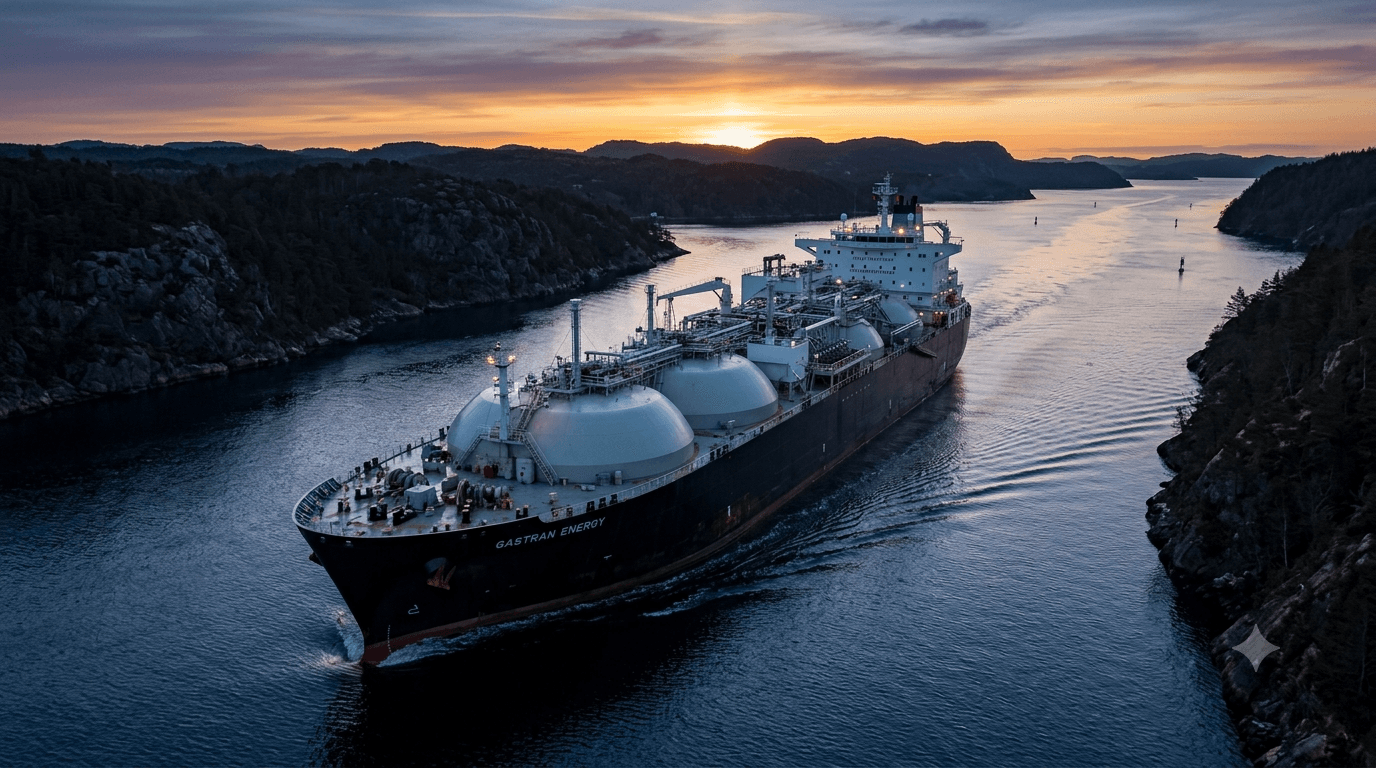
The period between June 26 and June 29 became one of the most closely watched moments for global shipping in 2026. Military strikes, retaliatory actions and rapidly changing headlines suggested that the Strait of Hormuz had effectively stopped functioning as a commercial trade corridor. Yet AIS data painted a more complex picture.
Independent maritime intelligence covering the Ever Lovely attack, the Kiku strike and the wider US-Iran exchange showed commercial vessels continuing to move through the chokepoint. Audit windows consistently recorded between 26 and 32 vessels every six hours. For chemical traders, importers and procurement managers, that difference between political messaging and physical vessel movement has major implications for purchasing decisions, freight planning and insurance strategy.
Why AIS Data Matters More Than Headlines
Automatic Identification System, commonly known as AIS, provides near real time visibility of commercial vessel movements. Every ship equipped with an AIS transponder broadcasts information including position, speed, heading and identity.
For procurement professionals, AIS offers something headlines cannot. It provides evidence of what ships are actually doing instead of what governments, commentators or market observers believe might happen.
During periods of geopolitical tension, media coverage often focuses on worst case scenarios. That approach attracts attention, but it may not accurately represent commercial shipping activity.
A statement that a waterway is "effectively closed" does not necessarily mean ships have stopped moving. It may instead reflect elevated military risk, increased insurance costs or temporary operational restrictions.
The June 2026 Strait of Hormuz Case Study
The June 26 to June 29 period illustrates this distinction clearly.
Several developments occurred almost simultaneously.
Military incidents increased regional security concerns and triggered widespread discussion about possible disruption to energy exports.
Shipping companies activated additional risk management procedures while insurers reassessed exposure across the Gulf region.
Numerous financial market commentators described the Strait of Hormuz as functionally closed to commercial traffic.
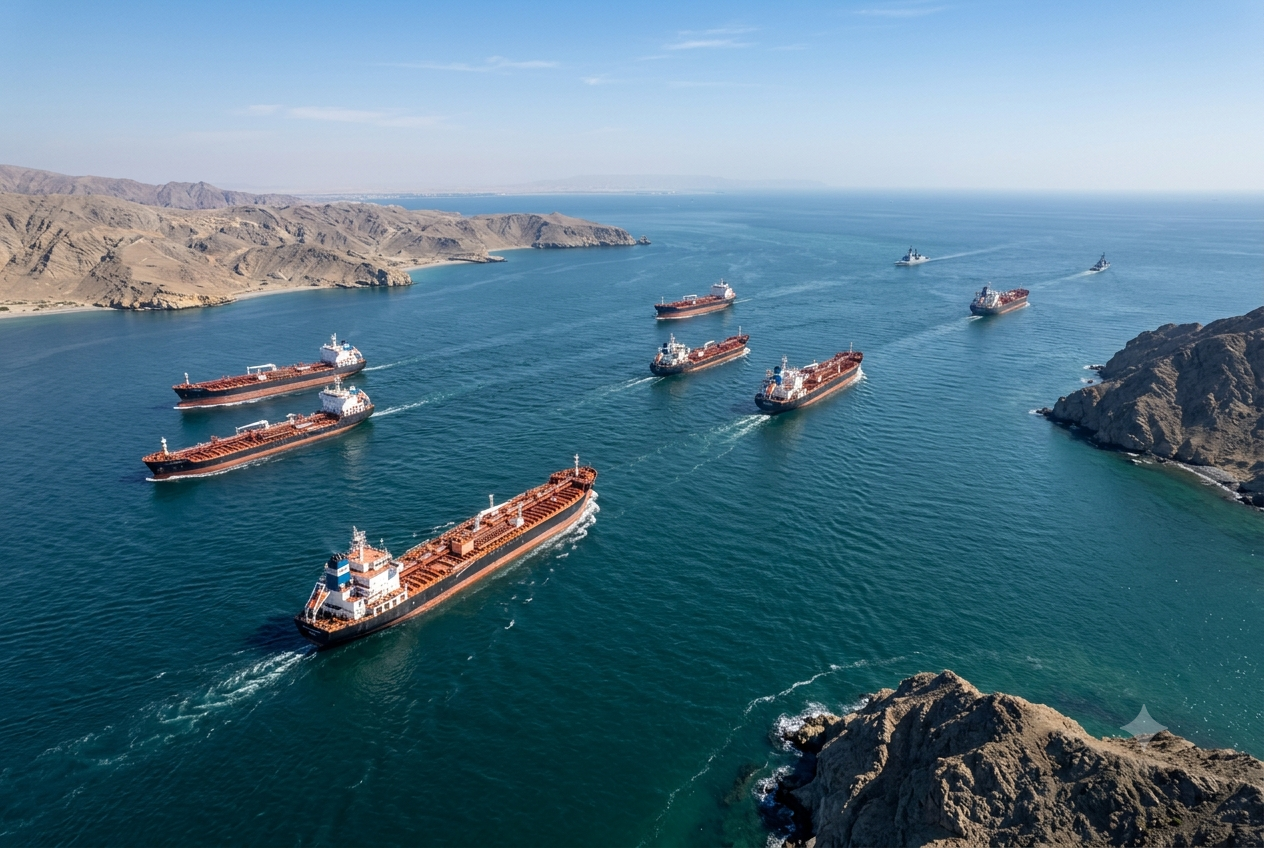
Despite those headlines, AIS observations showed named commercial vessels continuing scheduled transits through the chokepoint.
Rather than disappearing altogether, traffic volumes remained within an observed range of approximately 26 to 32 vessels during each six hour audit period.
That does not mean risks were absent. It means commercial shipping adapted instead of stopping completely.
Political Closure Versus Physical Closure
Chemical buyers often treat the word "closure" as a binary event.
In reality, maritime logistics rarely operates that way.
Several different situations may produce similar headlines while creating very different operational outcomes.
A political closure may involve official warnings, military statements or diplomatic announcements without preventing vessel movement.
A commercial restriction may cause some operators to delay departures while others continue sailing under revised security procedures.
A physical closure occurs when ships genuinely cannot transit because of military action, blockades or navigational hazards.
Understanding which situation exists helps procurement teams avoid unnecessary disruption.
For example, suppliers may continue loading cargo while freight rates rise because insurers have increased war risk premiums. The cargo still moves, but transportation becomes more expensive and scheduling becomes less predictable.
Why Chemical Supply Chains Feel the Impact First
Many chemical supply chains depend heavily on Gulf production and export infrastructure.
Products frequently moving through or near the Strait of Hormuz include:
Methanol, one of the region's largest chemical export products used in formaldehyde, fuel blending and downstream manufacturing.
Caustic soda, widely shipped for water treatment, pulp production and industrial processing.
Sulphur, essential for fertilizer manufacturing and sulfuric acid production.
Ammonia, a key feedstock for fertilizers and numerous industrial chemicals.
Even when ships continue sailing, uncertainty creates secondary market effects.
These may include:
Higher freight quotations.
Increased marine insurance premiums.
Longer voyage planning times.
Reduced schedule reliability.
Greater working capital requirements because buyers carry additional inventory.
None of these outcomes requires a complete shipping shutdown.
Market Psychology Can Move Prices Faster Than Cargo
Commodity markets respond quickly to uncertainty.
Physical cargo movements often respond more slowly.
That difference explains why chemical prices may increase sharply even while export terminals continue loading vessels.
Several factors contribute to this gap.
Traders price future risk rather than only current conditions.
Shipping companies adjust risk premiums before routes become unavailable.
Buyers increase precautionary purchasing to protect production schedules.
Financial markets react immediately to geopolitical developments.
AIS tracking helps distinguish between market sentiment and operational reality.
A procurement team monitoring verified vessel movements gains a clearer understanding of whether supply interruptions are genuinely developing or whether markets are reacting primarily to uncertainty.
How Procurement Teams Should Interpret Shipping Intelligence
No single information source provides a complete picture.
Effective procurement combines multiple inputs before making purchasing decisions.
A practical monitoring framework should include:
AIS vessel tracking to confirm actual commercial movements.
Freight market updates to understand transport availability.
Marine insurance developments that affect delivered cost.
Port operating status across exporting countries.
Supplier production updates covering loading schedules and inventory availability.
When several indicators point in the same direction, procurement decisions become more reliable than relying on headlines alone.
Insurance Costs Often Tell a Different Story
One important lesson from the June crisis involves marine insurance.
Even while vessels continued transiting the Strait of Hormuz, insurers reassessed regional exposure.
War risk premiums may increase significantly without stopping cargo movement altogether.
For buyers, this distinction matters because delivered chemical costs can rise despite uninterrupted production.
Procurement teams should therefore separate three different questions.
Can the supplier manufacture the product?
Can the cargo physically leave the port?
What additional logistics costs now apply?
Each question affects purchasing decisions differently.
Freight Planning During High Risk Periods
Experienced logistics managers rarely assume uninterrupted operations during geopolitical crises.
Instead, they prepare for reduced efficiency.
Common responses include:
Booking shipping capacity earlier than normal.
Building additional inventory for critical raw materials.
Diversifying sourcing across multiple producing regions.
Reviewing contract terms covering force majeure and delivery obligations.
These measures reduce operational risk without assuming that every crisis results in complete supply interruption.
The Value of Independent Maritime Intelligence
Independent maritime intelligence serves a different purpose than breaking news.
Its objective is observation rather than interpretation.
For chemical companies, this creates several advantages.
First, verified vessel tracking reduces speculation.
Second, it supports better freight negotiations because buyers understand actual shipping activity.
Third, it improves inventory planning by distinguishing between temporary market anxiety and measurable logistics disruption.
This does not eliminate uncertainty, but it improves decision quality during rapidly changing events.
What Buyers Should Do Now
The June 2026 Strait of Hormuz episode demonstrates an important lesson for every procurement professional. Headlines describing an "effective closure" may accurately reflect political tension, but they do not automatically indicate that commercial shipping has stopped.
Chemical buyers should build decision processes around verified operational evidence instead of relying solely on dramatic news coverage. AIS tracking, supplier communication, freight intelligence and insurance updates together provide a more accurate picture of market conditions than any single headline can deliver.
Organizations that separate political narratives from physical logistics movements are generally better positioned to control procurement costs, manage inventory and respond calmly during future disruptions. Ready to source methanol from verified global suppliers? Explore competitive offers on our platform today.
Methanol CAS: 67-56-1