
Green ammonia has become one of the most strategically important products in the global energy transition. Produced using renewable hydrogen instead of conventional fossil fuels, it is expected to play a major role in sustainable fertilizers, clean shipping fuels, power generation, and industrial decarbonization over the coming decade.
As governments and private investors continue expanding low-carbon infrastructure, project timelines and investment certainty have become increasingly important. The coming months represent a critical period for buyers, developers, and investors planning long-term green ammonia supply agreements and capital investments.

Why Green Ammonia Is Strategically Important
Green ammonia is expected to become a key product supporting the global transition toward lower-carbon industries.
Major application areas include:
Sustainable fertilizers
Marine fuel
Power generation
Hydrogen transportation
Industrial decarbonization
Energy storage
Demand continues to increase as governments implement climate and clean energy initiatives.
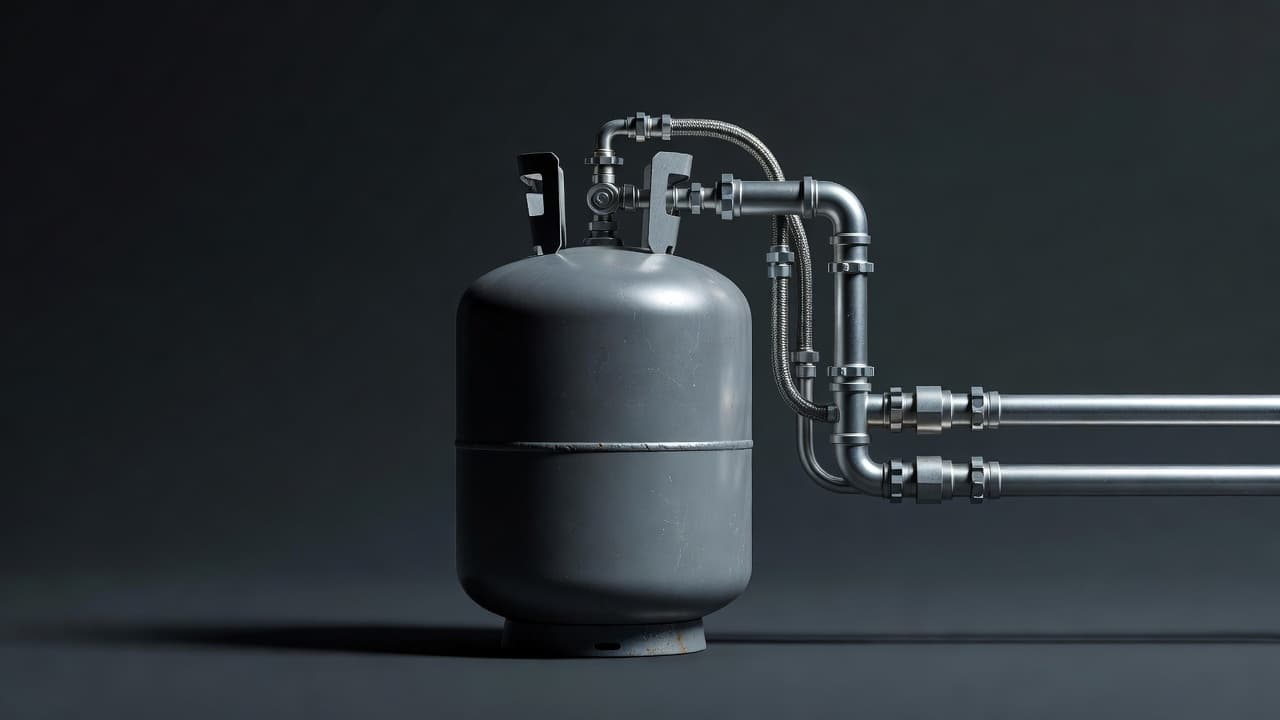
Liquid Ammonia CAS: 166412-78-8
Project Timelines Influence Future Supply
Large-scale green ammonia facilities require significant investment, long construction periods, and stable project planning.
Important project considerations include:
Investment certainty
Infrastructure development
Renewable energy availability
Hydrogen production capacity
Supply agreements
Financing support
Project progress directly affects future global supply availability.
Long-Term Procurement Requires Early Planning
Industrial buyers increasingly secure supply agreements well before commercial production begins.
Procurement priorities include:
Long-term contracts
Supplier qualification
Geographic diversification
Volume commitments
Pricing structures
Sustainability documentation
Early procurement planning helps reduce future supply risks.
Diversification Supports Supply Security
Companies pursuing decarbonization strategies should avoid relying on a single production region.
Recommended sourcing strategies include:
Multiple suppliers
Regional diversification
Portfolio balancing
Strategic partnerships
Long-term procurement
Risk monitoring
Diversified sourcing improves resilience against future project delays.
Procurement Priorities for 2026–2028
Organizations planning green ammonia adoption should continue strengthening procurement strategies.
Recommended actions include:
Monitor project developments.
Review supplier readiness.
Evaluate alternative production regions.
Secure strategic partnerships.
Update long-term procurement plans.
Continue market intelligence monitoring.
These steps improve long-term supply security while supporting sustainability objectives.

Market Outlook
The green ammonia market is expected to experience strong long-term growth as industries accelerate decarbonization initiatives and governments expand investments in renewable hydrogen infrastructure. Future supply will increasingly depend on successful project execution, financing, and the development of reliable global transportation networks.
Organizations that establish diversified sourcing strategies, maintain flexibility in procurement planning, and build long-term supplier relationships will be best positioned to benefit from the expanding green ammonia market. As new production capacity enters operation over the coming years, green ammonia is expected to become an increasingly important component of the global low-carbon economy.
Key Takeaways
Green ammonia demand continues to grow globally.
Project timelines influence future supply availability.
Long-term procurement planning reduces supply risk.
Diversified sourcing strengthens procurement resilience.
Strategic partnerships support future supply security.
Green ammonia plays a major role in industrial decarbonization.
Early supplier qualification improves procurement readiness.
Continuous market monitoring supports informed investment decisions.