
Corn Gluten Meal (60% Min Protein) - Indonesia CAS: 66071-96-3

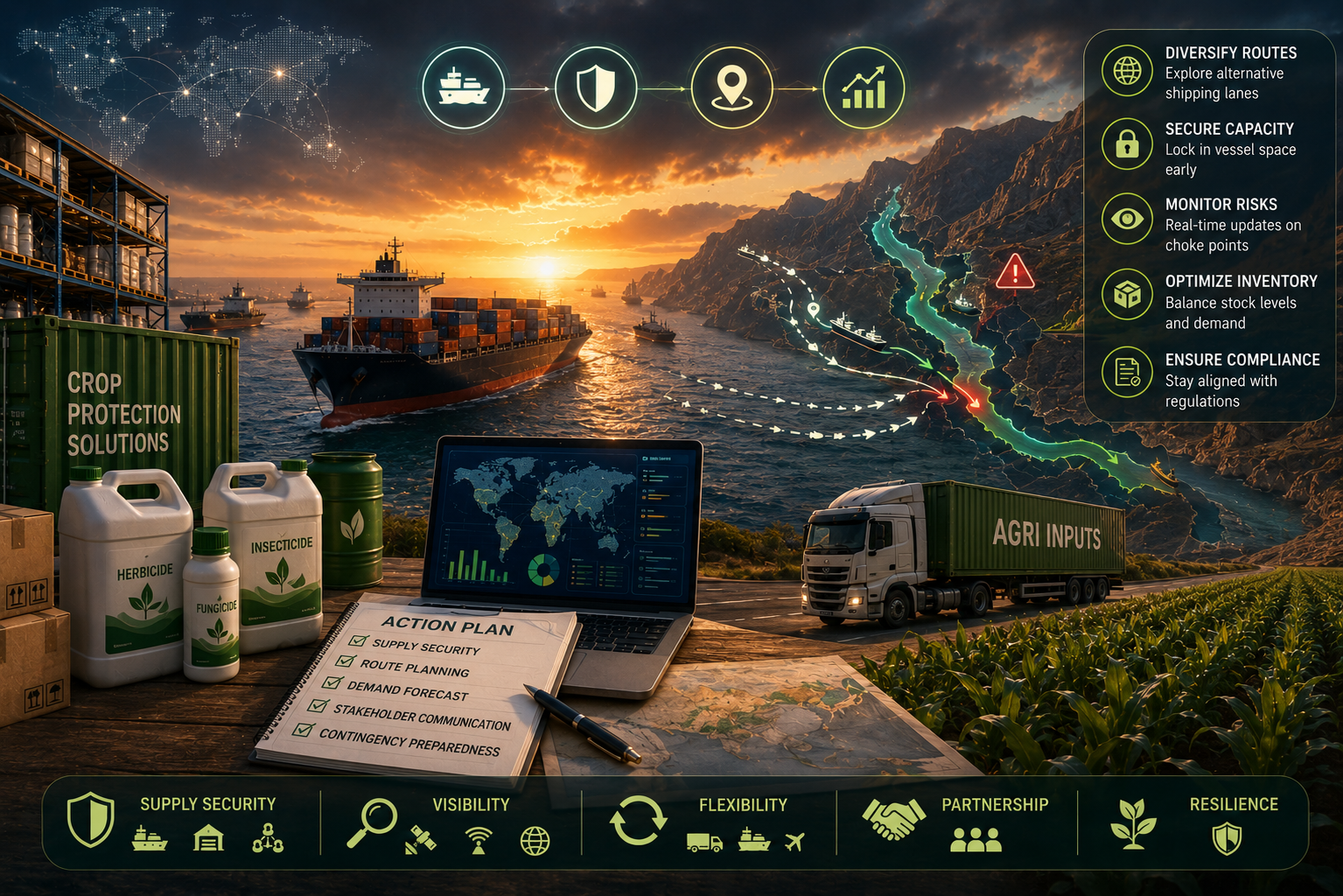
The collapse of the June 17 ceasefire and the resumption of tanker attacks have renewed attention on war-risk insurance pricing for global shipping. Chemical procurement teams should evaluate freight costs, insurance exposure and logistics contingency plans.
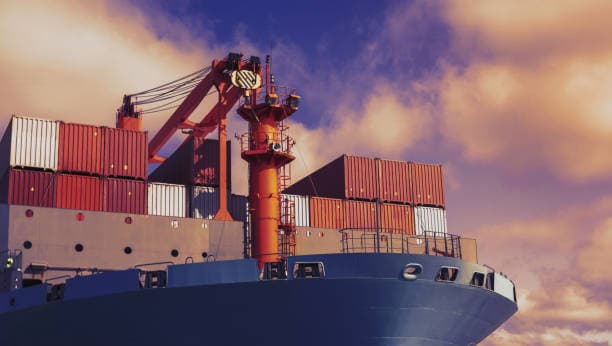
Renewed geopolitical tensions threaten to elevate freight rates once again, putting pressure on chemical shipping, fertilizer logistics, and procurement budgets. This article explains the drivers, the sectors most exposed, and strategies to mitigate the impact.
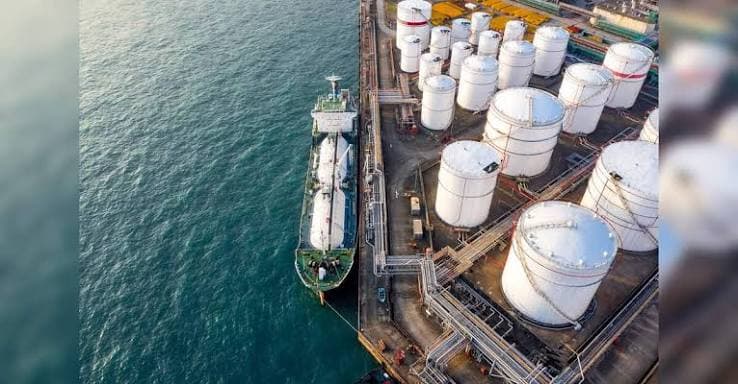
Although vessel movements through the Strait of Hormuz are increasing, the shipping backlog accumulated during the crisis remains substantial. Understanding convoy throughput and queue management provides buyers with a more realistic timeline for delayed chemical cargo arrivals during H2 2026.
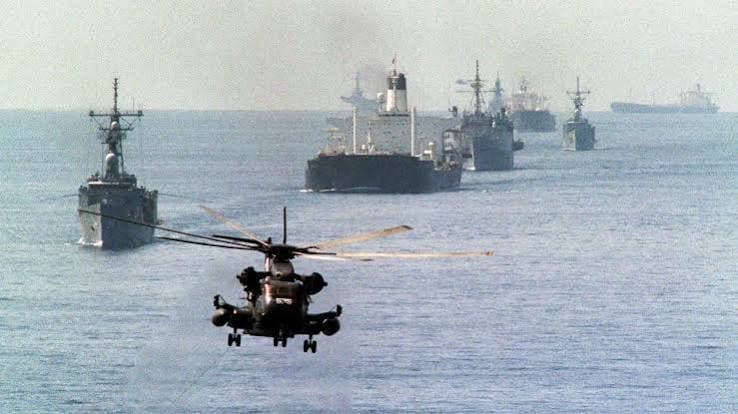
The introduction of escorted convoy operations is reshaping the marine insurance landscape. As P&I clubs begin their quarterly underwriting reviews, chemical shippers are watching closely for potential changes to Hormuz war risk coverage and premium structures.

Kpler's confirmation of 34 verified vessel crossings in the Strait of Hormuz on June 30 requires careful interpretation.
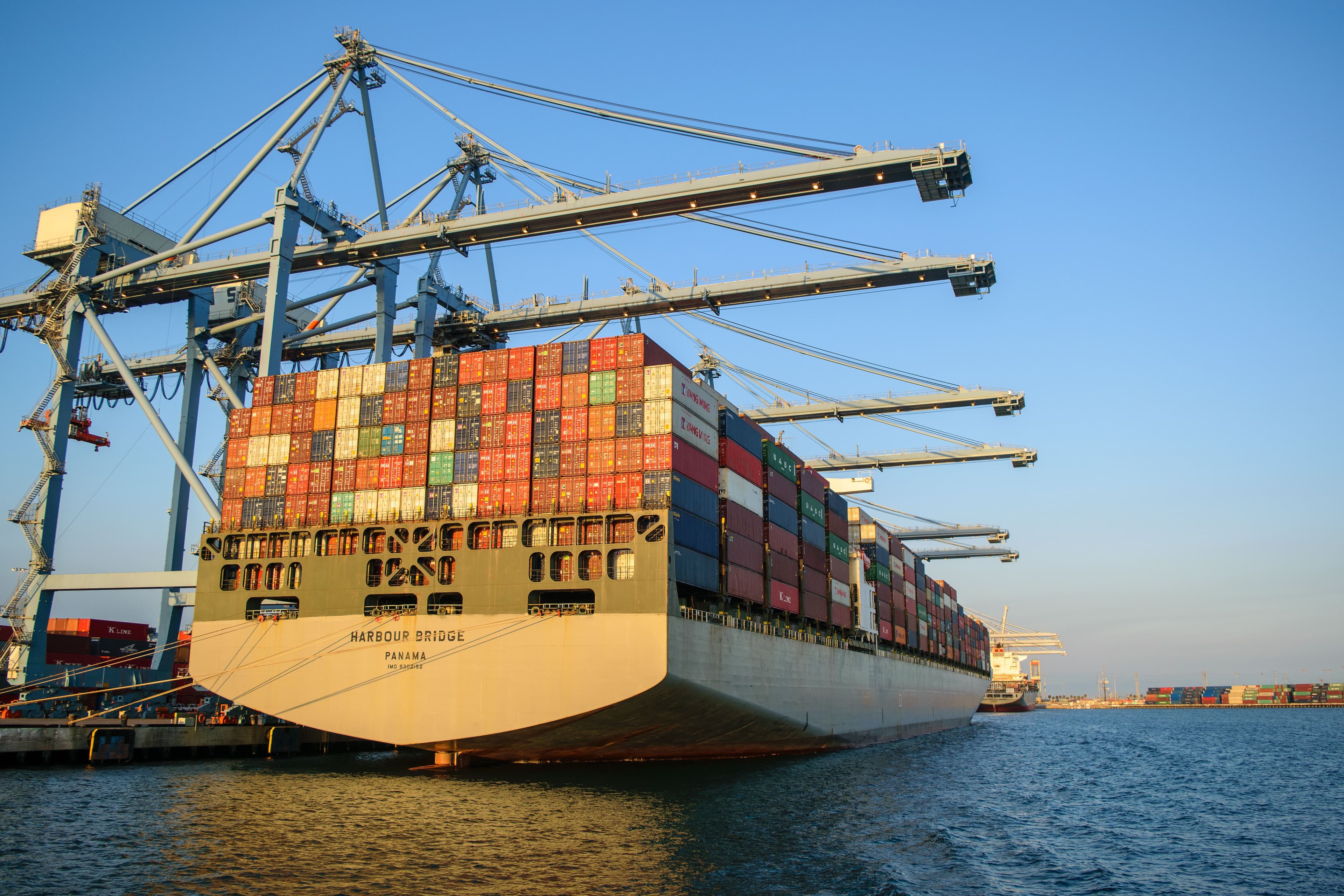
Methanol supply has remained active through recent Gulf disruptions, with AIS vessel tracking showing continued commercial movement. Buyers should separate headline risk from physical flow data when planning Q3 procurement.
We're committed to your privacy. Tradeasia uses the information you provide to us to contact you about our relevant content, products, and services. For more information, check out our privacy policy.