The Declining DAP Stock in Pakistan
De‑ammonium phosphate (DAP) is the most widely used nitrogen‑phosphorus fertilizer in South Asia. In Pakistan, DAP accounts for nearly 70% of total fertilizer consumption. Recent inventory reports show a sharp decline in domestic DAP stocks, falling from 1.2 million tonnes in early 2024 to less than 600,000 tonnes by mid‑2025. This trend indicates a looming shortfall that cannot be met by local production alone.
Factors Driving the Inventory Drop
1. Rapid Agricultural Expansion
Pakistan’s agricultural output has grown by an average of 3% annually, driven by increased acreage and higher crop prices. Farmers are applying more DAP to match the demand for high‑yield varieties, accelerating stock depletion.
2. Production Constraints
Local DAP manufacturers face capacity limits. Many plants were built in the 1990s and have not received significant upgrades. Additionally, the cost of phosphoric acid—derived from phosphate rock—has surged due to global price volatility.
3. Export Pressures from Neighboring Markets

India and Bangladesh, both heavy consumers of DAP, have increased their imports, indirectly lifting regional prices. Pakistan’s domestic producers have struggled to compete, leading to lower production outputs.
Implications for the Fertilizer Supply Chain
As inventory levels dip, several consequences emerge:
Price Escalation: With supply tightening, DAP prices are expected to rise by 8–12% over the next 12 months.
Farmer Credit Strain: Higher fertilizer costs increase the debt burden on smallholders, potentially leading to reduced investment in farm inputs.
Greenhouse Gas Concerns: Lower domestic production may shift the carbon footprint of fertilizer manufacturing to import sources, impacting Pakistan’s environmental targets.

Why New Imports Are Becoming Unavoidable
Despite efforts to boost local production, the pace of expansion cannot match the rate of consumption. Importing DAP from global markets offers several advantages:
Immediate Availability: Imported DAP can be sourced within weeks, preventing stockouts during critical planting windows.
Cost Competitiveness: Global suppliers often benefit from economies of scale and lower raw material costs, allowing them to offer competitive prices.
Diversification of Supply: Relying on multiple suppliers reduces the risk of a single point of failure, a crucial factor in today’s volatile commodity markets.
Projected Import Timeline
Industry estimates suggest that Pakistan will re‑enter the global phosphate market by the third quarter of 2026. The key milestones are:
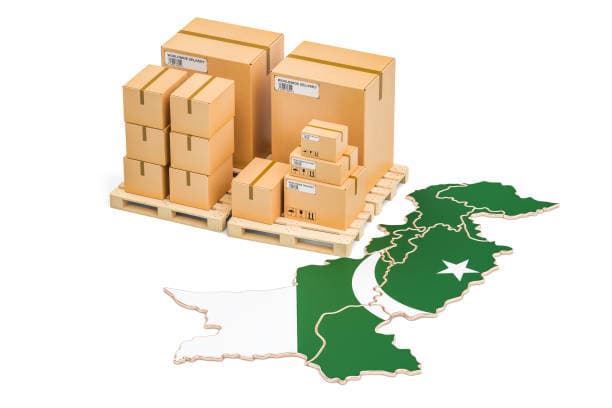
Q2 2026: First bulk DAP shipments arrive at major ports in Karachi and Port Qasim.
Q3 2026: Distribution networks will be fully operational, ensuring timely delivery to rural distributors.
Q4 2026: Local inventory levels stabilize, with a new buffer stock of 500,000 tonnes.
Policy Recommendations
To mitigate the negative impacts of import dependence, the government should consider the following measures:
Subsidies for Local Production: Targeted financial incentives can accelerate plant upgrades and capacity expansion.
Strategic Stockpiling: Building a national DAP reserve of 300,000 tonnes can cushion future supply shocks.
Trade Agreements: Negotiating preferential tariffs with key exporting countries will reduce import costs.
Urea (Granular) - Egypt CAS: 57-13-6