
The beginning of July signals one of the most important periods for the global guar gum market. Rajasthan, India's largest guar-producing state, supplies the majority of the world's guar seed, making early planting conditions a critical indicator for future production, pricing, and export availability.
This year's planting season is being closely monitored because guar gum demand remains strong across multiple industries. Food manufacturers continue expanding production of gluten-free and functional foods, while oil and gas companies are increasing demand for guar-based viscosifiers used in hydraulic fracturing. As a result, early crop performance in Rajasthan will play an important role in shaping procurement decisions for the remainder of 2026 and into 2027.

Why Rajasthan's Guar Crop Matters Globally
Rajasthan is the world's largest guar-producing region and plays a vital role in international guar gum supply.
The crop supports industries such as:
Food processing
Oil and gas drilling
Pharmaceuticals
Personal care
Textile manufacturing
Paper production
Seasonal production trends in Rajasthan often influence global guar gum availability and pricing.
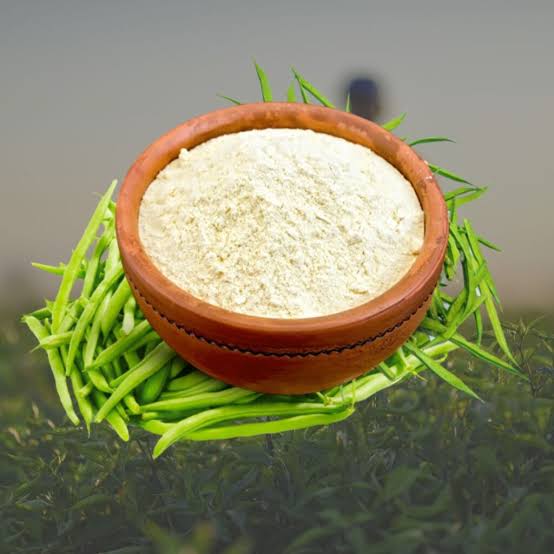
Guar Gum (E412) CAS: 9000-30-0
Early Planting Conditions Set the Market Tone
The first few weeks of planting provide valuable information about the potential size and quality of the upcoming harvest.
Market participants typically monitor:
Monsoon rainfall
Soil moisture
Planting progress
Seed germination
Acreage estimates
Crop health
Positive early conditions generally support stronger production expectations later in the season.
Dual Industry Demand Keeps the Market Active
Guar gum continues to experience demand from multiple high-value industries.
Major consuming sectors include:
Food manufacturing
Beverage production
Oilfield services
Cosmetics
Pharmaceuticals
Industrial processing
Demand diversification has increased the strategic importance of guar gum as a specialty ingredient.
Procurement Teams Should Monitor Crop Reports
Early agricultural intelligence helps buyers make more informed procurement decisions.
Important monitoring areas include:
Planting progress
Weather forecasts
Crop development
Supplier inventory
Export availability
Regional production estimates
Regular market updates support better purchasing strategies throughout the crop year.
Supplier Diversification Supports Supply Security
Companies sourcing guar gum should continue strengthening procurement resilience.
Recommended practices include:
Multiple approved suppliers
Long-term sourcing agreements
Inventory planning
Regional diversification
Continuous crop monitoring
Flexible procurement schedules
These measures help reduce supply risks caused by weather or market volatility.
Procurement Priorities for H2 2026
Food manufacturers and industrial buyers should remain proactive during the planting season.
Recommended actions include:
Monitor Rajasthan crop conditions.
Review supplier inventory.
Secure long-term supply agreements.
Evaluate alternative hydrocolloids where appropriate.
Maintain strategic safety stock.
Continue monitoring weather developments.
These actions help protect supply continuity throughout the marketing season.
Market Outlook
The 2026–27 guar crop begins at a time when global demand remains healthy across both food and industrial applications. Weather conditions during the planting and growing season will remain the primary factor determining future production levels, export availability, and market pricing.
Organizations that combine early crop intelligence with diversified sourcing strategies and disciplined inventory planning will be best positioned to manage market uncertainty. As guar gum continues serving multiple high-growth industries, proactive procurement and continuous monitoring of Rajasthan's crop development will remain essential throughout H2 2026.
Key Takeaways
Rajasthan remains the world's leading guar-producing region.
Early planting conditions strongly influence future guar gum supply.
Food and oilfield industries continue driving global demand.
Weather and monsoon performance remain critical market indicators.
Procurement teams should monitor crop progress closely.
Diversified sourcing improves supply security.
Long-term supplier relationships reduce procurement risk.
Early market intelligence supports better purchasing decisions.