Related Insights

War-Risk Insurance Faces Renewed Scrutiny: What the Ceasefire Collapse Means for Chemical Shipping
The collapse of the June 17 ceasefire and the resumption of tanker attacks have renewed attention on war-risk insurance pricing for global shipping. Chemical procurement teams should evaluate freight costs, insurance exposure and logistics contingency plans.

Sanctions Regime Complexity Grows: What Diverging US Oil Policy Means for Chemical Trade Compliance
The US ended authorization for Iranian oil sales while separately allowing Indian refiners to purchase Russian crude, highlighting the growing complexity of international sanctions. Chemical procurement and compliance teams should strengthen screening procedures and monitor evolving trade policies.
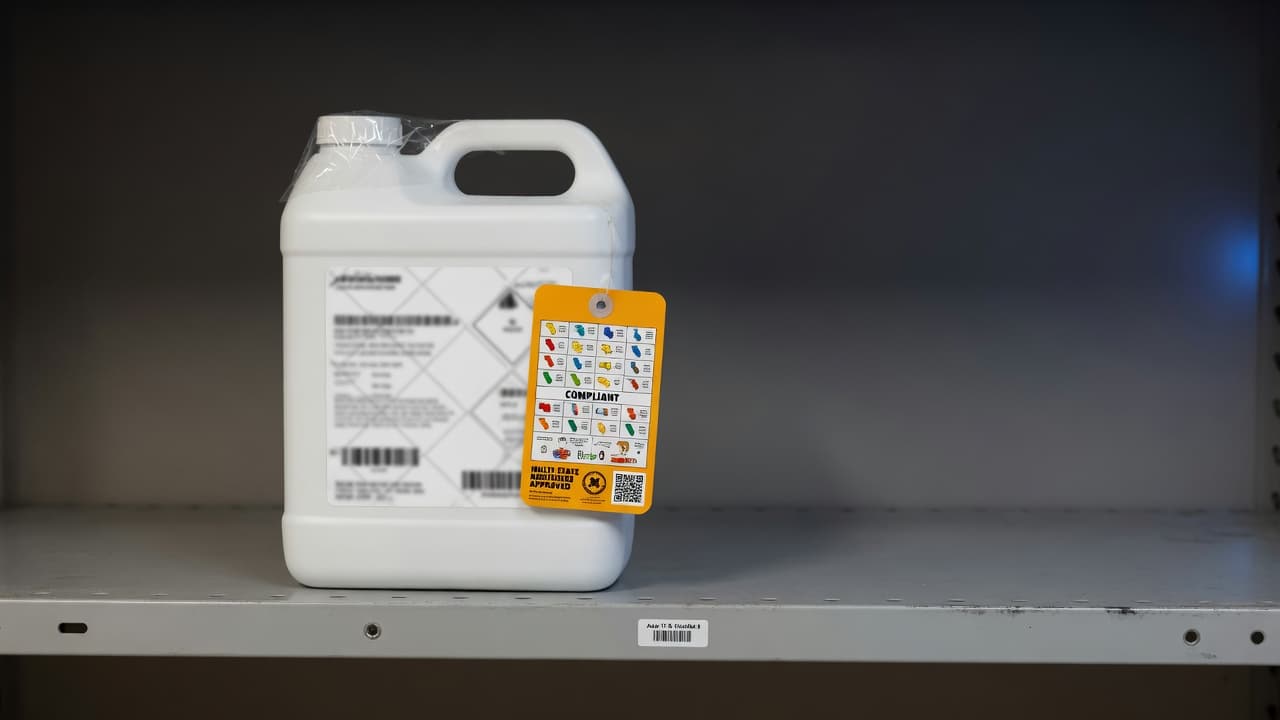
State PFAS Laws and the Federal Patchwork: What Multi-State Chemical Companies Must Manage
State PFAS regulations continue to evolve across the United States, creating new compliance challenges for manufacturers, distributors and procurement teams. This guide explains how differing state requirements affect companies selling PFAS-containing products across multiple markets.

Using the Kiel Institute to Separate Temporary Hormuz Costs from Permanent Chemical Procurement Shifts
After the Hormuz shutdown, chemical buyers face a mix of temporary price spikes and lasting market shifts. This article applies the Kiel Institute framework to isolate recoverable costs from permanent baseline changes, providing a roadmap for data‑driven contract renegotiations. Implementing these insights helps teams win back margins as conditions normalize.
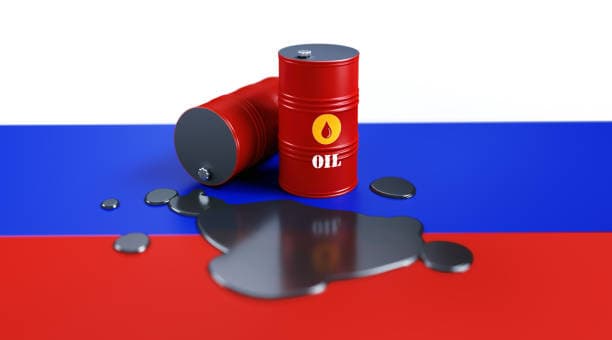
Russia Country Watch: Yamal LNG’s Ripple Effect on Europe’s Chemical Feedstocks
Russia’s Yamal LNG surge has reshaped European chemical supply chains, offering short‑term gas security but exposing deeper vulnerability to external gas flows. Ammonia and methanol plants gained access to cheaper gas, yet spot premiums and sanctions risks loom. Procurement teams must factor these dynamics into cost and supplier risk models.
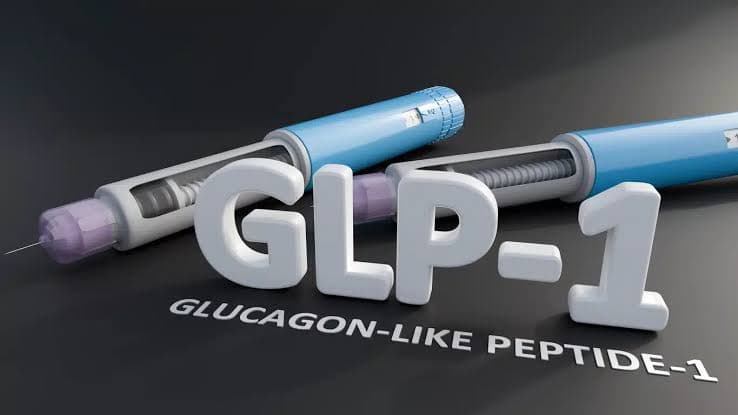
GLP-1 Patent Era Begins in Earnest: What July 2026 Means for the Indian CDMO Race
The global GLP-1 market is entering a new phase as generic drug opportunities accelerate. Indian CDMOs are expanding peptide manufacturing capacity, making July 2026 a critical period for securing key raw materials such as TFA, pharmaceutical-grade DMF, and Fmoc amino acids.
Don't miss out on our updates! Subscribe to our newsletter now
We're committed to your privacy. Tradeasia uses the information you provide to us to contact you about our relevant content, products, and services. For more information, check out our privacy policy.