The June 17 memorandum of understanding between the United States and Iran was widely interpreted as the beginning of the end of the 2026 Hormuz shipping crisis.
Financial markets responded positively. Freight traders began discussing normalization scenarios. Some procurement teams immediately started considering reductions in emergency inventory positions built during the disruption.
That may be premature.
While the agreement significantly reduces the probability of further escalation, the practical realities of restoring one of the world's most important shipping corridors are far more complicated than signing a ceasefire document.
For chemical buyers, the key message is simple:
The crisis may be over politically, but the supply chain disruption is not yet over operationally.
Why the Strait Is Not Yet Fully Open
Many observers confuse the absence of active conflict with the restoration of normal shipping conditions.
The two are not the same.
Several major obstacles remain:
Vessel congestion
Mine clearance operations
Insurance restrictions
Port scheduling disruptions
Production restart delays
Transit fee uncertainty
Each of these factors continues to influence chemical trade flows.
As a result, supply chains remain vulnerable despite the ceasefire framework.
The 500-Vessel Backlog Problem
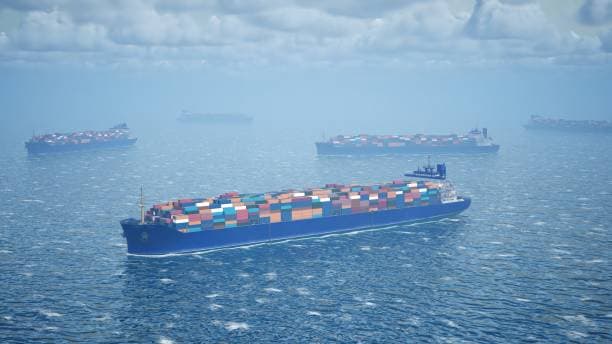
One of the biggest challenges is the sheer number of vessels still affected by the disruption.
Hundreds of commercial ships remain trapped within Gulf shipping networks or waiting for safe transit opportunities.
These include:
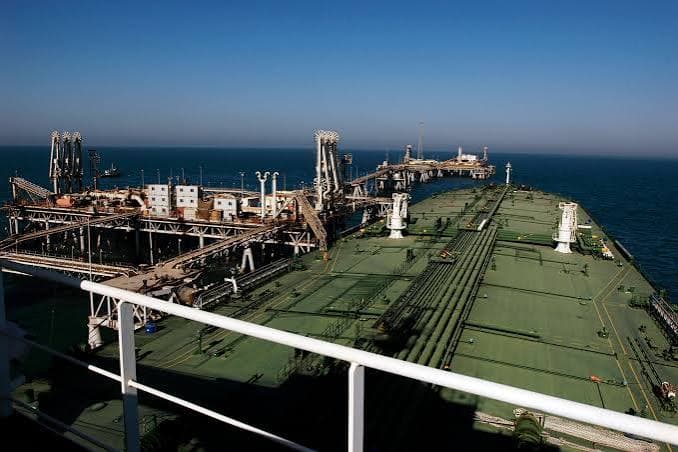
Chemical tankers
Container vessels
LNG carriers
Bulk carriers
Product tankers
Even after shipping resumes, vessels cannot all move simultaneously.
Port capacity, pilot availability, vessel scheduling and insurance approvals will naturally limit the speed of recovery.
This means congestion may persist long after headlines suggest the crisis has ended.
Mine Clearance Is a Major Constraint
Perhaps the most important issue is mine clearance.
Maritime security officials continue to treat navigational safety as a priority before allowing unrestricted traffic flow.
Clearing sea mines is a complex process involving:
Survey operations
Verification procedures
Naval escorts
Route certification
Unlike reopening a road after an accident, maritime clearance can take months rather than days.
Until shipping companies have confidence in route safety, many operators will continue exercising caution.
Captains and Insurers Will Move Slowly
Even after official clearance announcements, shipping decisions ultimately depend on:
Vessel owners
Captains
Charterers
Marine insurers
These stakeholders must assess risk independently.
Many operators are expected to:
Conduct additional route evaluations
Wait for proven transit records
Monitor incident reports
Seek updated insurance approvals
The result is likely to be a gradual return to normal traffic rather than an immediate surge.
This behavioral factor is often underestimated in market forecasts.
Production Recovery Takes Time Too
Shipping is only one part of the equation.
Many petrochemical and energy facilities reduced production during the crisis.
Restarting industrial operations involves:
Equipment inspections
Workforce mobilization
Feedstock balancing
Export scheduling
Inventory rebuilding
Production systems rarely return to full capacity overnight.
Even if transportation recovers quickly, supply availability may remain constrained while facilities gradually increase operating rates.
Why Safety Stock Still Matters
During the crisis, many chemical buyers increased inventory levels to protect operations.
This strategy proved effective because it reduced exposure to:
Freight disruptions
Delayed deliveries
Allocation programs
Supply interruptions
Now that conditions are improving, some organizations are considering immediate reductions in inventory.
That could introduce unnecessary risk.
Several uncertainties remain unresolved:
Shipping Queue Recovery
The vessel backlog may take months to normalize.
Production Restart Risk
Not all facilities will return to full output immediately.
Freight Market Volatility
Rates remain elevated across multiple routes.
Regulatory and Transit Issues
Transit fees and maritime operating conditions continue evolving.
These factors suggest caution remains warranted.
The Cost of Reducing Inventory Too Early
The financial temptation is understandable.
Holding inventory creates:
Storage costs
Working capital requirements
Financing expenses
However, reducing inventory prematurely may create larger risks.
Potential consequences include:
Production interruptions
Emergency purchases
Higher spot-market pricing
Customer service failures
In many cases, these costs exceed the carrying cost of additional inventory.
A Practical Inventory Strategy for Chemical Buyers
Rather than immediately returning to pre-crisis inventory levels, procurement teams should consider a phased approach.
Maintain Current Safety Stock
Continue elevated inventory positions during the near-term recovery period.
Monitor Vessel Traffic
Track actual shipping volumes rather than relying solely on political announcements.
Evaluate Supplier Recovery
Confirm production normalization at key suppliers.
Review Freight Conditions
Watch for evidence of sustained market stabilization.
Reduce Inventory Gradually
Normalize safety stock only after multiple indicators confirm recovery.
This approach balances resilience with working-capital discipline.
Which Chemical Categories Remain Most Vulnerable?
The products most exposed to Hormuz-related disruption remain:
Petrochemicals
Polyethylene
Polypropylene
Methanol
Fertilizers
Urea
Ammonia
Industrial nutrients
Energy-Linked Chemicals
LPG derivatives
Aromatics
Feedstocks
These categories depend heavily on Gulf production and export infrastructure.
Buyers in these sectors should remain particularly cautious.
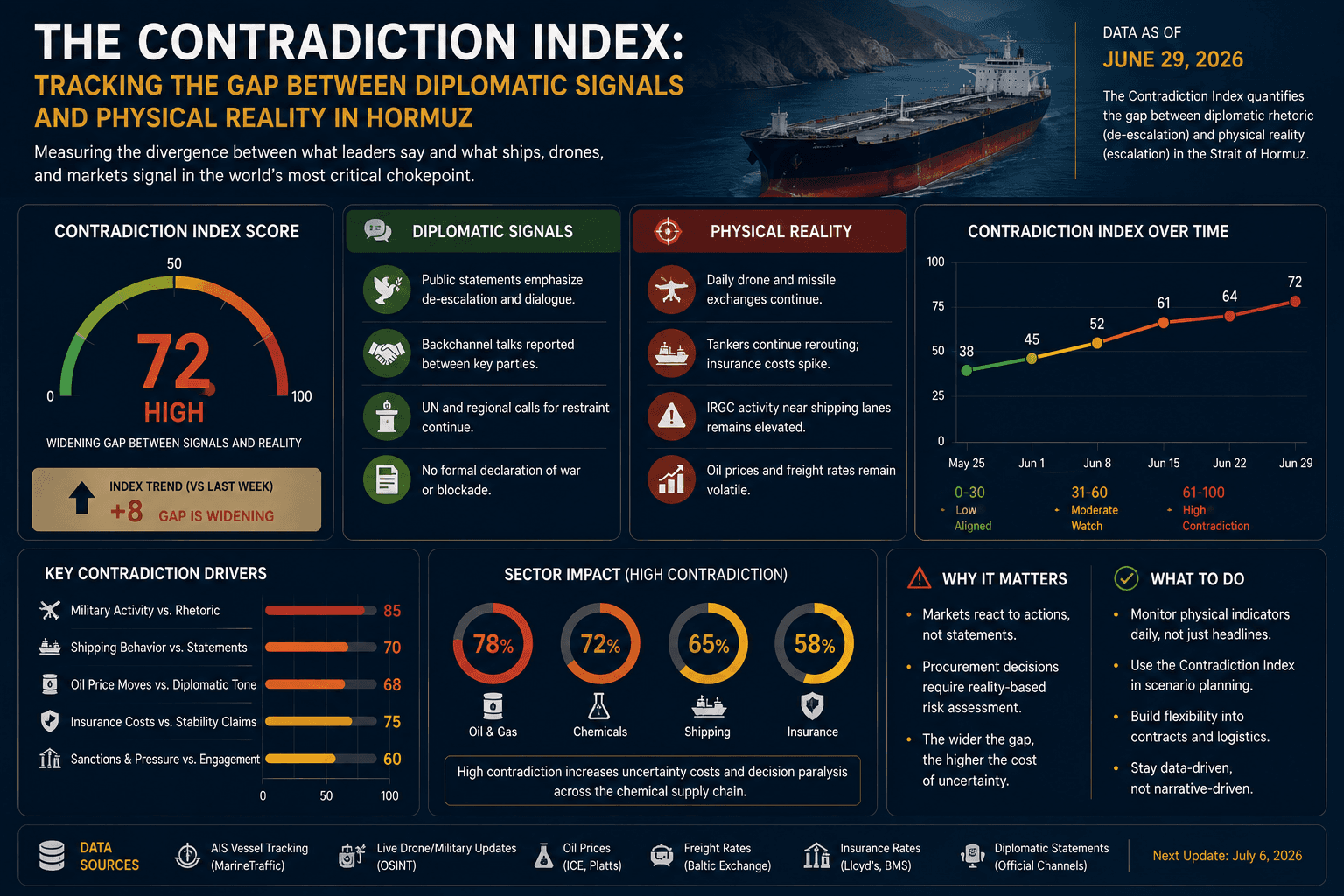
What Procurement Teams Should Watch Next
Several indicators will reveal whether recovery is progressing as expected:
Daily vessel transits
Freight rate trends
Insurance premium reductions
Production utilization rates
Port congestion statistics
Supplier lead times
These operational indicators are often more informative than political developments.
Conclusion
The June 17 Hormuz agreement was an important milestone, but it marked the beginning of the recovery process rather than its completion. Vessel congestion, mine clearance requirements, insurance concerns and production restart challenges continue to create meaningful supply chain risk across chemical markets.
For procurement teams, the key mistake would be assuming that geopolitical progress automatically translates into logistics normalization. The operational realities of clearing vessel backlogs and restoring industrial production suggest recovery will take considerably longer than many market participants initially expected.
Maintaining elevated safety stock for the next several weeks remains a prudent strategy. Companies that wait for clear evidence of sustained recovery before normalizing inventory levels are likely to be better positioned than those that react too quickly to improving headlines.
Methanol CAS: 67-56-1